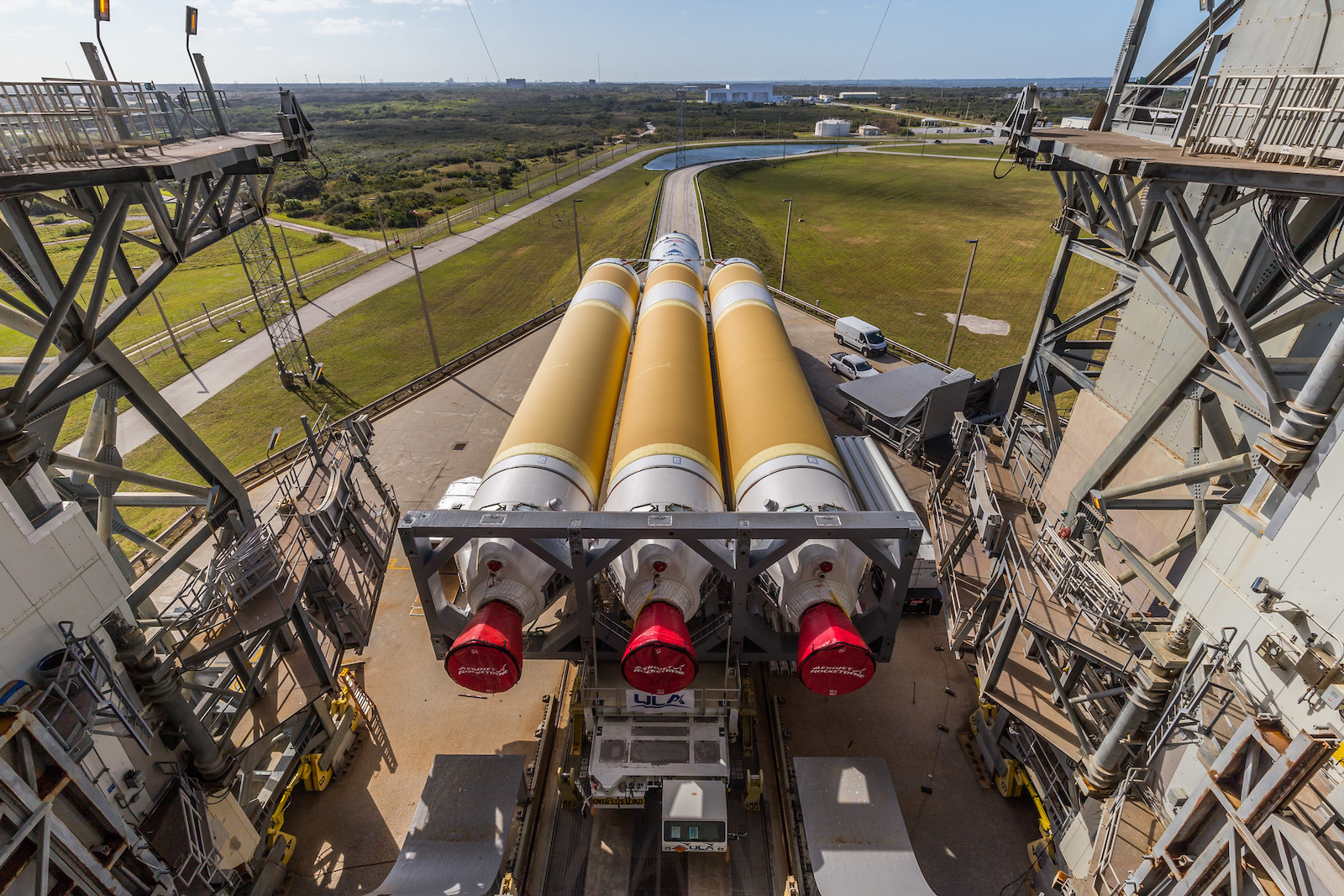
This is the rocket that literally lights itself on fire before it heads to space. It’s the world’s largest rocket entirely fueled by liquid hydrogen, a propellant that is vexing to handle but rewarding in its efficiency.
The Delta IV Heavy was America’s most powerful launch vehicle for nearly a decade and has been a cornerstone for the US military’s space program for more than 20 years. It is also the world’s most expensive commercially produced rocket, a fact driven not just by its outsize capability but also its complexity.
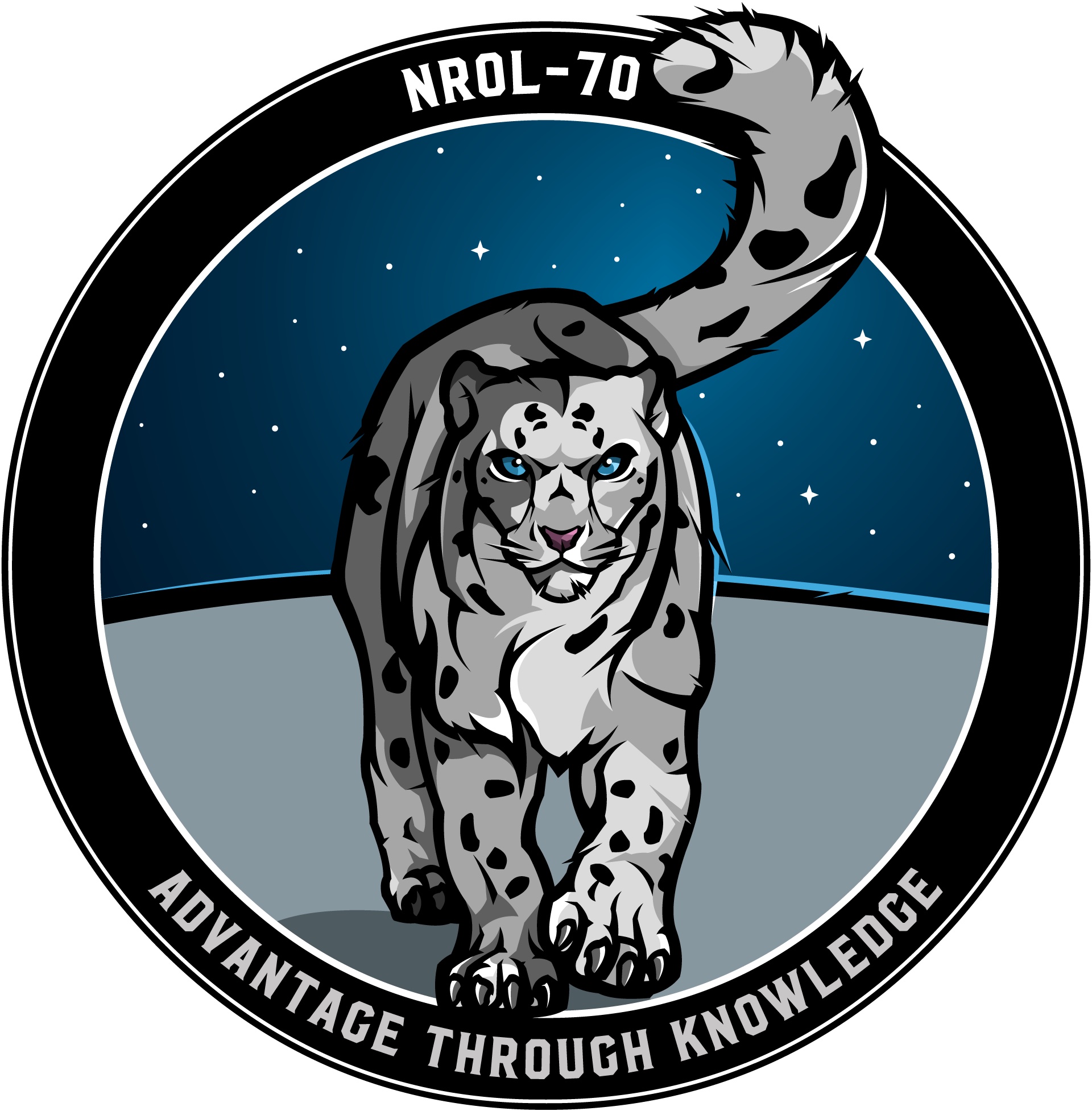
Now, United Launch Alliance’s last Delta IV Heavy rocket is set to lift off Thursday from Cape Canaveral Space Force Station, Florida, with a classified payload for the National Reconnaissance Office, the US government’s spy satellite agency.
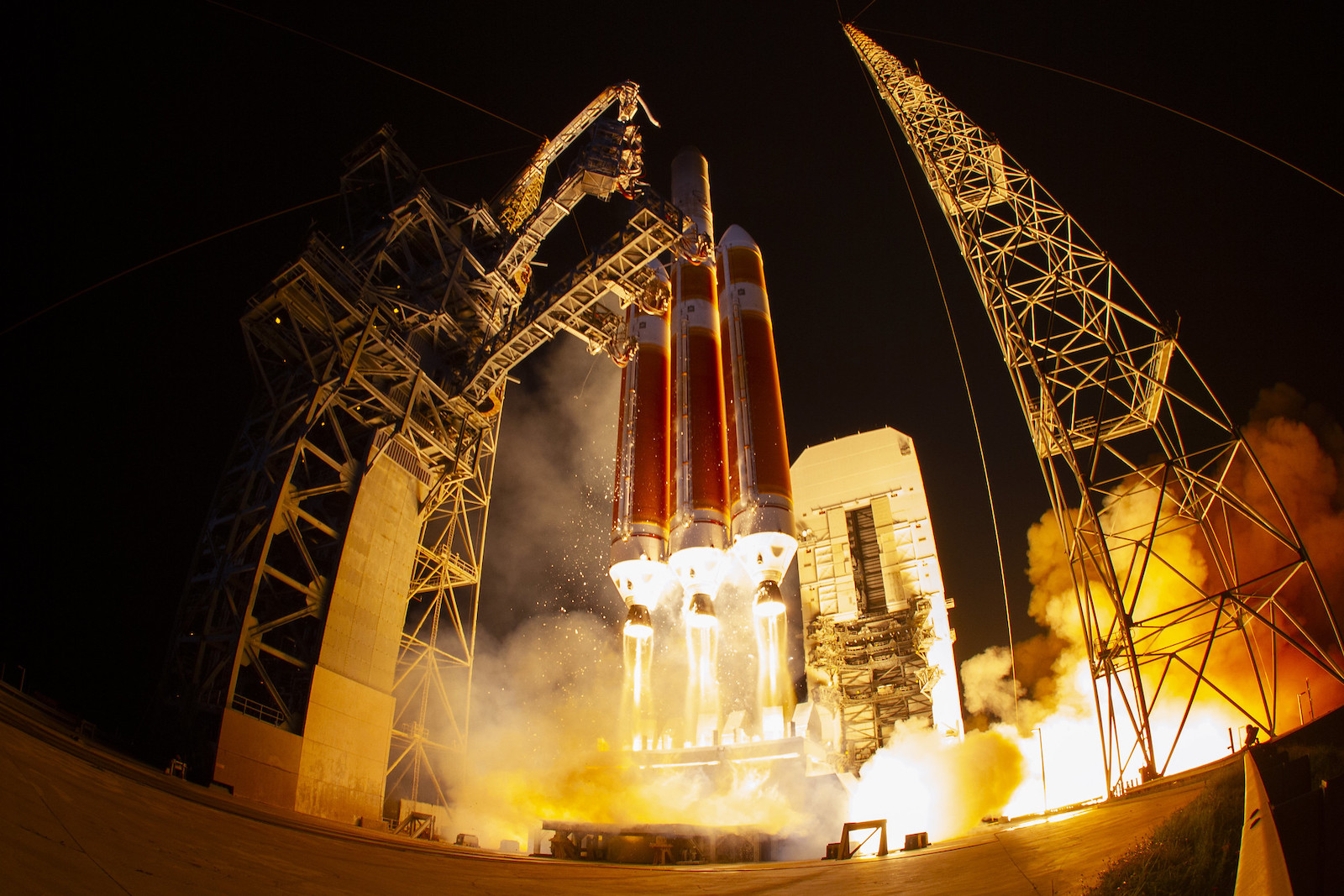
“This is such an amazing piece of technology, 23 stories tall, a half-million gallons of propellant and a quarter-million pounds of thrust, and the most metal of all rockets, setting itself on fire before it goes to space,” said Tory Bruno, ULA’s president and CEO. “Retiring it is (key to) the future, moving to Vulcan, a less expensive higher-performance rocket. But it’s still sad.”
45th and final Delta IV
Weather permitting, the Delta IV Heavy will light up its three hydrogen-fueled RS-68 engines at 1:40 pm EDT (17:40 UTC) Thursday, the opening of a four-hour launch window. The three RS-68s will fire up in a staggered sequence, a permutation designed to minimize the hydrogen fireball that ignites around the base of the rocket during engine startup.
The Delta IV Heavy will certainly have a legacy of launching national security missions, along with NASA’s Orion spacecraft on an orbital test flight in 2014 and NASA’s Parker Solar Probe in 2018 on a mission to fly through the Sun’s outer atmosphere.

 Loading comments...