



- U.S. forces seized oil tanker off coast of Venezuela.
President Donald Trump made the announcement Wednesday, escalating pressure on Nicolás Maduro’s government. Attorney General Pam Bondi said the tanker, called The Skipper, had been sanctioned for illegal oil shipping. Caracas called the seizure “international piracy.” Meanwhile, a House committee closed its bipartisan inquiry into a September follow-up strike on a suspected drug smuggling boat in the Caribbean that killed two survivors.
- Judge said National Guard deployment in LA must end.
The ruling rejected arguments that troops are still needed there to protect federal personnel and property. U.S. District Judge Charles Breyer said the Trump administration’s efforts to deploy Guard troops – which have spanned to other cities including Chicago and Portland, Oregon – amount to trying to create “a national police force made up of state troops.” The judge put his decision on hold until Monday, which gives space for an expected appeal by the administration.
- Nobel Peace Prize winner surprised crowds in Oslo.
María Corina Machado appeared late last night after her daughter attended the award ceremony on her behalf. It was a risky and covert trip for Venezuela’s opposition leader and pro-democracy activist, who has been in hiding for nearly a year. Venezuelan officials vowed to consider her a fugitive if she left the country. Ms. Machado told the BBC she was seeing her family for the first time in 16 months and could finally “cry and pray” with them.
- Neanderthals began making fire sooner than thought.
Archaeologists found the earliest evidence of intentional fire, including handaxes warped by heat and pyrite, at a 400,000-year-old archaeological site in eastern England. Their research was published yesterday in Nature. Previous evidence of the key technological milestone dated back just 50,000 years. One of the researchers called this the “most exciting” discovery of his career.
 Australia now bans social media for teens under 16. Will other countries follow?
 In the Himalayas, local ‘astro-ambassadors’ help protect India’s first dark-sky reserve
 Trump disparages Somalia. But it is key to US counterterrorism efforts.
 As joyful Syrians celebrate Liberation Day, their glass is half full
 How Trump’s use of pardon power is breaking the mold
 US mass killings drop to 20-year low. Some policy shifts might be helping.
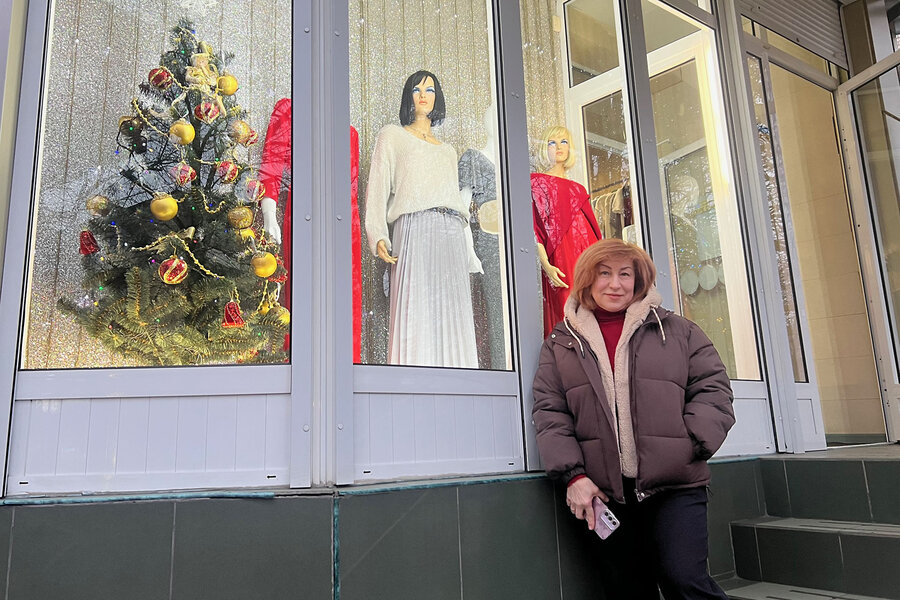
 This Pennsylvania boutique keeps foster children clothed in kindness

 Stablecoins are the low-risk type of crypto. But they aren’t risk-free for economy.
 Congress considers ban on member stock trades, going beyond transparency
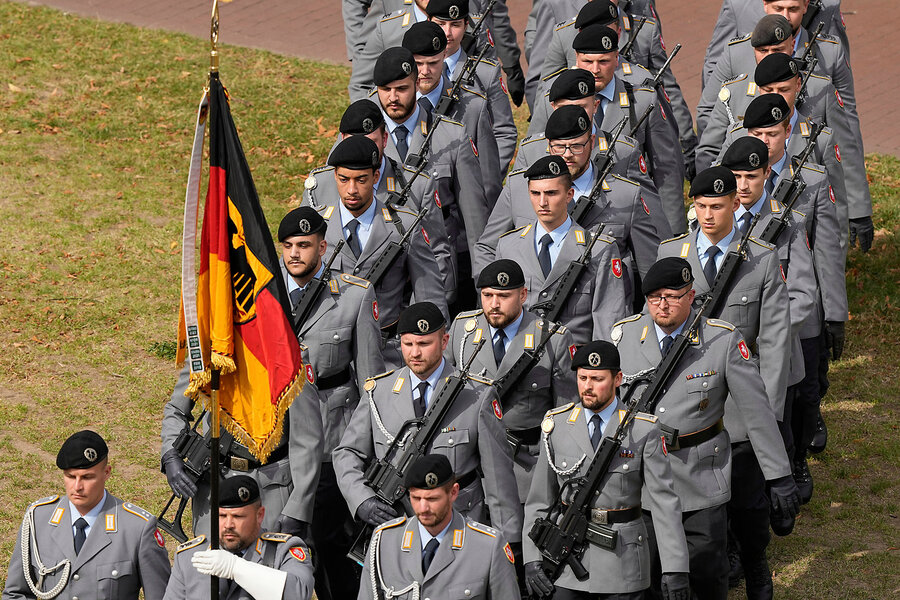
 Trump’s new national security strategy treats longtime allies as threats
 To project power, and disarm Hezbollah, Lebanese state needs guns and butter
 Salute or push back? When a military order’s legality is in question.
 Japan’s new PM promised to ‘work, work, work.’ For some, that’s now a red flag.

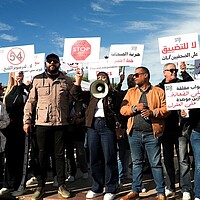

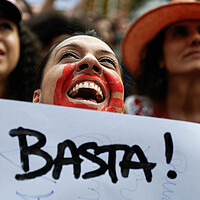
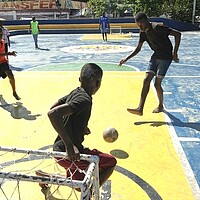
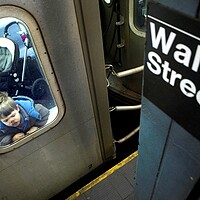
 ESPN honors the legacy of broadcaster Stuart Scott in ‘Boo-Yah’ documentary
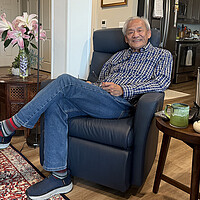 How a faith-based AI bot is helping one man rewrite retirement
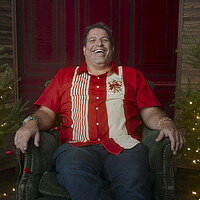 ‘A celebration of working-class joy.’ A director’s ode to NYC’s Christmas tree sellers.
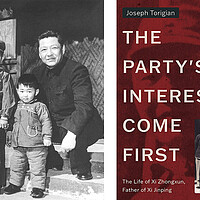 A biographer mines the life of Xi Jinping’s father for clues to China today


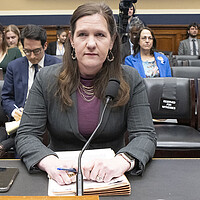 90 years ago, the Supreme Court limited whom presidents can fire. Trump wants to reverse that.
 In Arizona, a Democrat and a Republican fight to free an ICE detainee
- Trump’s new national security strategy treats longtime allies as threats
- US mass killings drop to 20-year low. Some policy shifts might be helping.
 Opposed to slavery, but also against a war to end it
 Special ProjectRebuilding trust
Can trust bring connection and hope to help us find common ground in a divided world? Without trust, suspicion begets friction, division, and immobility. Today, too many realms are seeing trust deficits grow: between citizens, across racial lines, in government. This special project explores through global news stories how polarized parties are navigating times of mistrust and how we can learn to build trust in each other.
 Special SeriesThe Climate Generation: Born into crisis, building solutions
Climate change is shaping a mindset revolution—powerfully driving innovation and progress. And young people are leading the transformation. This special series focuses on the roles of those born since 1989, when recognition of children's rights and the spike of global temperatures began to intersect. The stories include vivid Monitor photography, and are written from Indigenous Northern Canada, Bangladesh, Namibia, Barbados, and the United States.


Two ways to subscribe
Already a subscriber? Log in to hide ads.