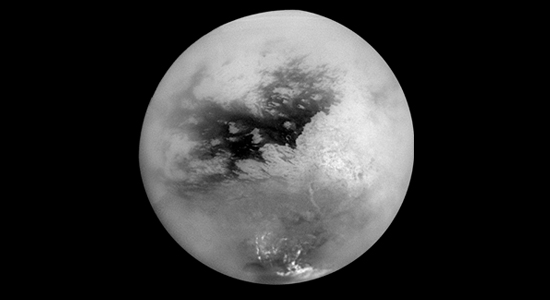
Humanity has been fascinated by the solar system’s second largest moon for hundreds of years; and we're sitting at a ring-side seat as Titan reveals its mysteries to us.
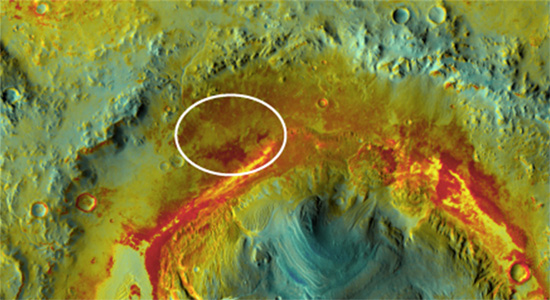
The selection of Gale crater as the Mars Science Laboratory landing site took over 5 years, involved broad participation of the science community via five open workshops.
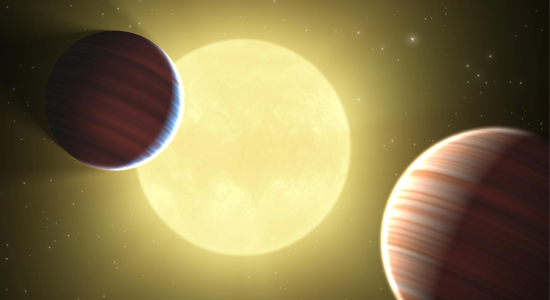
This talk will cover many of Kepler's discoveries, including several planets orbiting two stars, and will try to explain how Kepler's discoveries help define humanity's place in the universe.
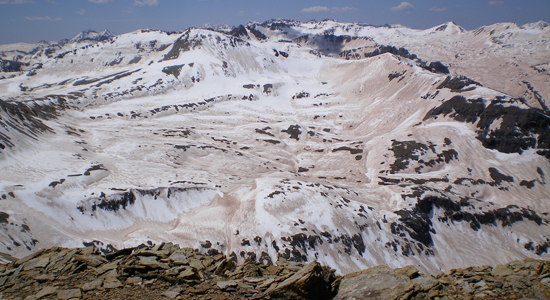
JPL is developing the Airborne Snow Observatory and other systems to bring the nation to a mature monitoring of our snow resource to anchor cutting edge science and water management in an uncertain future.
From robotic scouting missions, to space station construction, to opening the planetary frontiers, there has been a growing relationship between robots and humans.
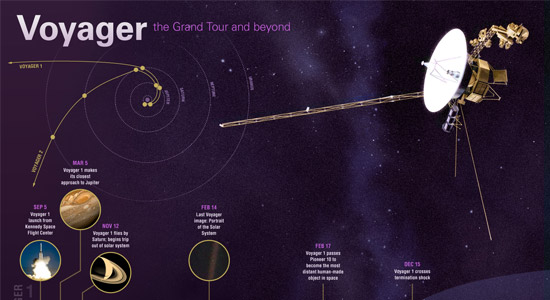
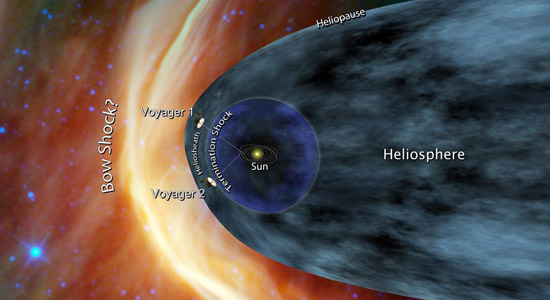
Approaching their thirty-fifth anniversary, the Voyager twins continue to send us data from the farthest reaches of our solar system, at once enforcing and rewriting theories about this previously unexplored region.
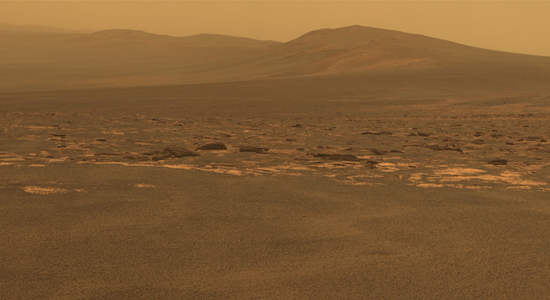
The remarkable success of the Mars Exploration Rovers, Spirit and Opportunity, gave impetus to the development of an even more capable spacecraft: The Mars Science Laboratory.
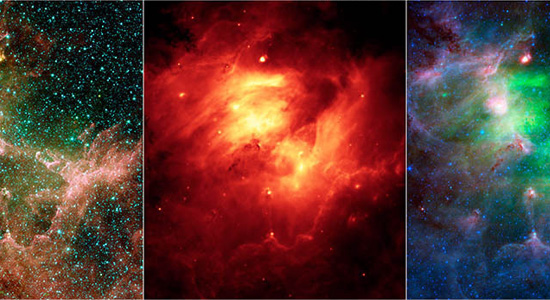
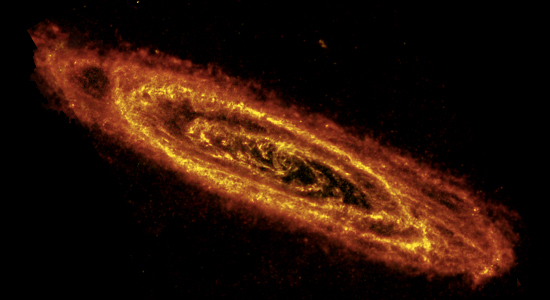
This talk will present some of the highlights of Herschel observations and describe how they are changing our picture of how new stars and planets form.
Upon completing Dawn's investigation at Vesta in July 2012, we will have a powerful new dataset to understand the formation and evolution of a building block of the terrestrial planets.
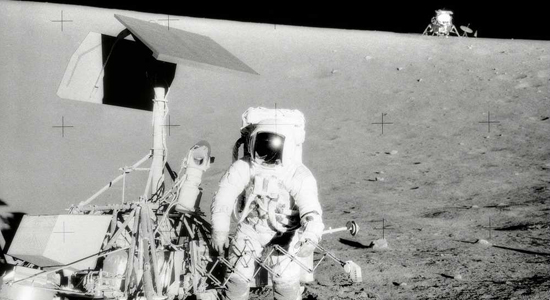
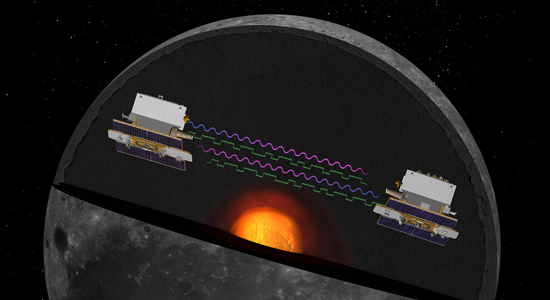
The Gravity Recovery and Interior Laboratory lunar mission has completed its primary period of scientific observations and obtained unprecedented results on the global gravitational field of the Moon.

 Jan. 19 & 20
 Feb. 16 & 17
 Mar. 15 & 16
 May 10 & 11
 Aug. 16 & 17
 Sep. 13 & 14
 Oct. 11 & 12
 Nov. 8 & 9
 Dec. 6 & 7